“Should we accept only good things from the hand of God and never anything bad?”
-Job 2:10b
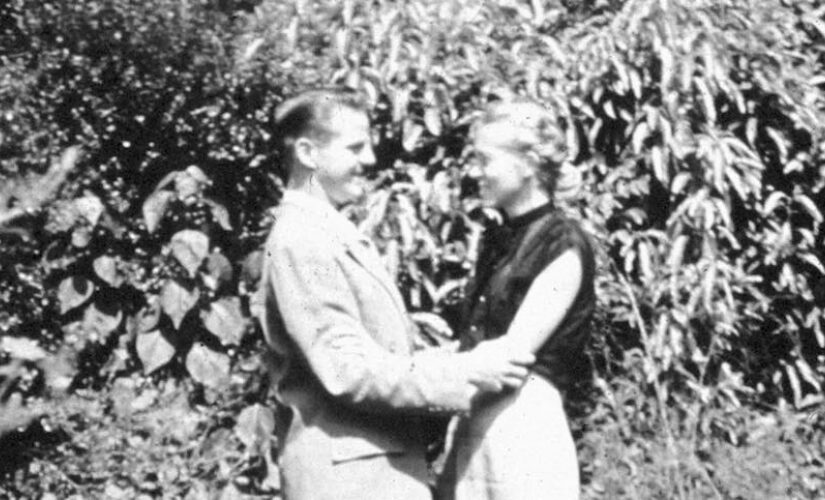
We have been studying the Book of Job on Wednesday nights. I ran across these thoughts from Elizabeth Elliot. Elizabeth and her husband Jim went to the jungles of Ecuador to reach Auca Indians. Jim was killed by the tribesmen.
Elizabeth and her daughter eventually returned to the same people who killed her husband and reached them with the gospel.
She wrote about Acceptance vs. Resignation based on on these experiences:
Only in acceptance lies peace, not in resignation nor in busyness. Resignation is surrender to fate. Acceptance is surrender to God. Resignation lies down quietly in an empty universe. Acceptance rises up to meet the God who fills that universe with purpose and destiny. Resignation says, “I can’t.” Acceptance says, “God can!” Resignation says, “It’s all over for me.” Acceptance asks, “Now that I am here, what’s next, Lord?” Resignation says, “What a waste.” Acceptance asks, “In what redemptive way will You use this mess, Lord?”
This poem was apparently published in a book entitled Lord, if Ever I Needed You It’s Now (by Creath Davis). Elizabeth Elliot went on to write Through the Gates of Splendor and other well-known Christian books.
Here’s another yearly review with the categories in no particular order.
Dust in the Wind
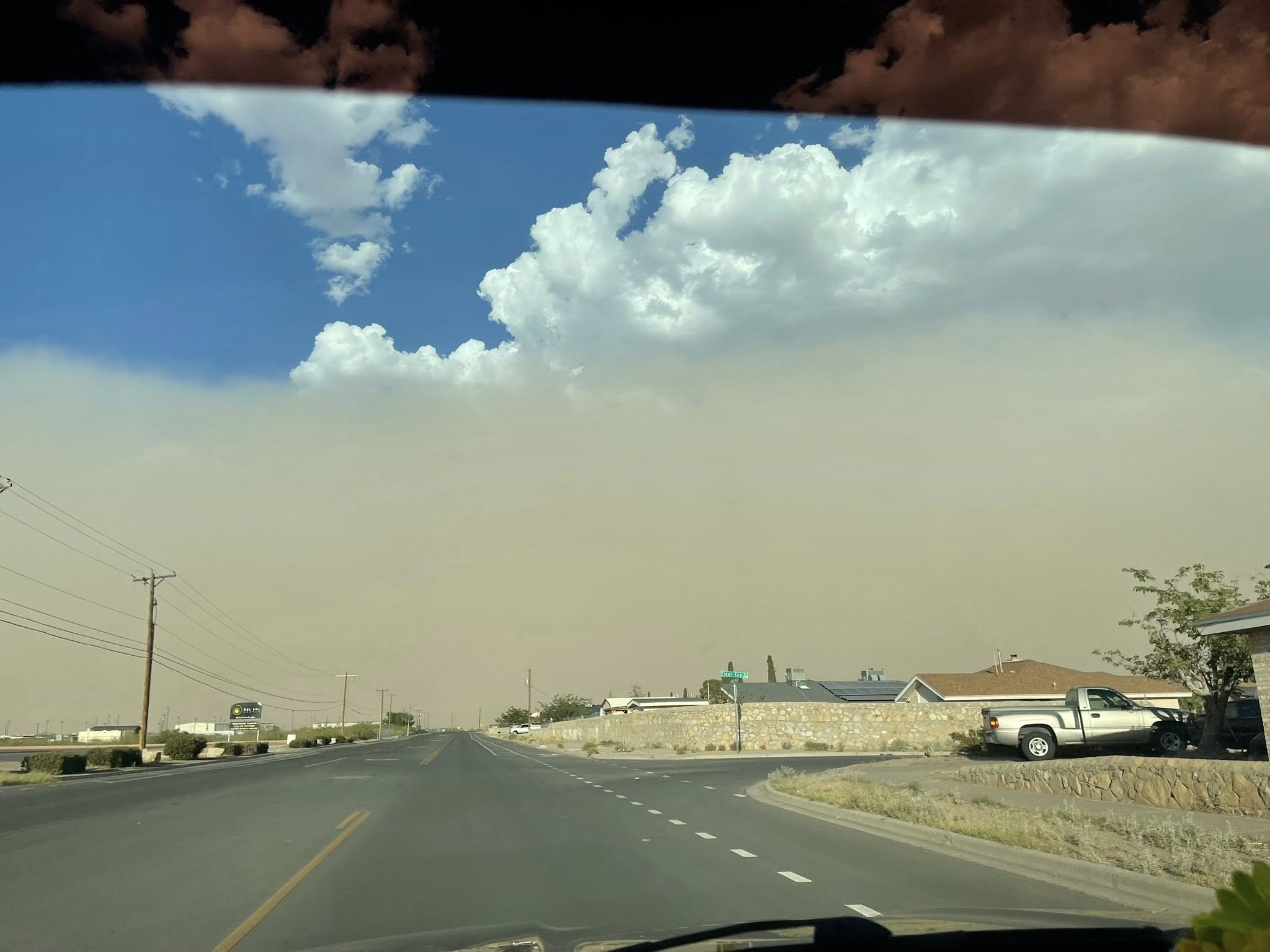
This was a crazy year in El Paso as far as dust storms go. Living with these is just part of life here, but the frequency and intensity was on another level. Many long-term El Paso residents were telling me that it’s the worst they had seen. Turns out, it has been the most severe year for this since the 1936 Dust Bowl.
We took Clark across town to the eye doctor in the middle of one of these storms. It got so bad that I had to slam on the brakes while driving down the highway—I literally could not see beyond the hood of the car.
I’m allergic to car payments and expensive insurance, so I still drive the 2002 Crown Vic that we bought back in 2013. This, of course, means more repairs than a newer car. Thanks to internet forums, a Facebook group, AutoZone, and YouTube I was able to diagnose and do three repairs for the cost of parts (these repairs happened in the final three months of 2025).
The first issue was a weird noise that turned out to be a worn-out Idle Air Control (IAC) valve. The second issue caused an engine light and stalling—it made me wonder if it I was going to make it home from the auto parts store. An EGR valve replacement solved that problem. Last, but not least, my car door lock started making a machine-gun sound when locking. I replaced the lock actuator, which was the most difficult repair. I had to remove the door panel and reach into the door.
I have jokingly told my wife that if we replace enough parts we’ll end up with a new car.
Church/Ministry
I’ve spent several months this year preaching through 1 Corinthians. We’ve studied Hosea and are now on Ecclesiastes for our Wednesday night prayer meeting/Bible study. As always, it’s a blessing to study, preach, and walk with my people through God’s Word.
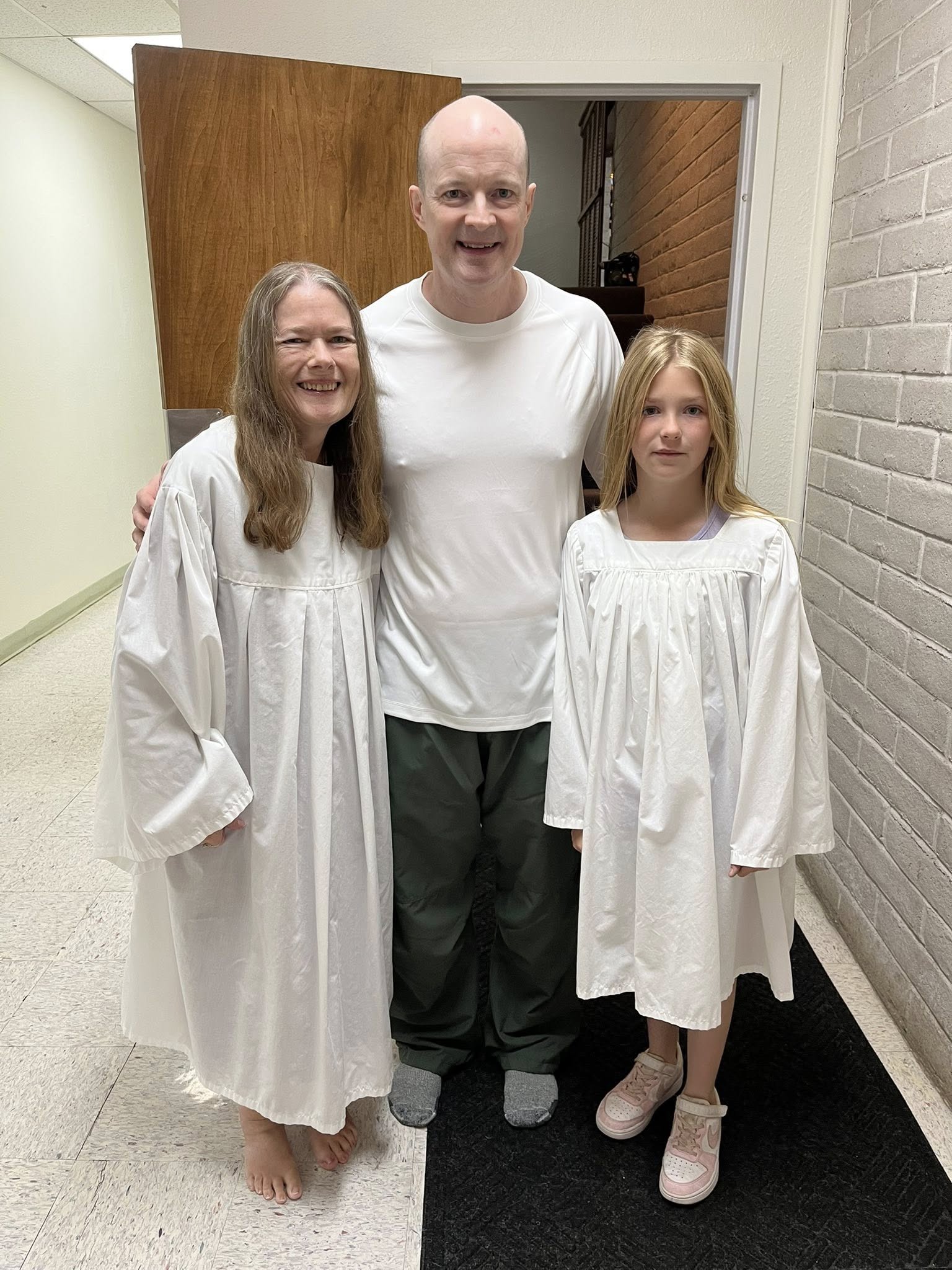
One of my favorite Sundays of 2025 happened a few weeks ago. I had the blessing of baptizing one of the children in the church that had put her faith in Christ. Another long-time attendee was baptized on that same day (she had been a believer for years but had not yet taken this important step).
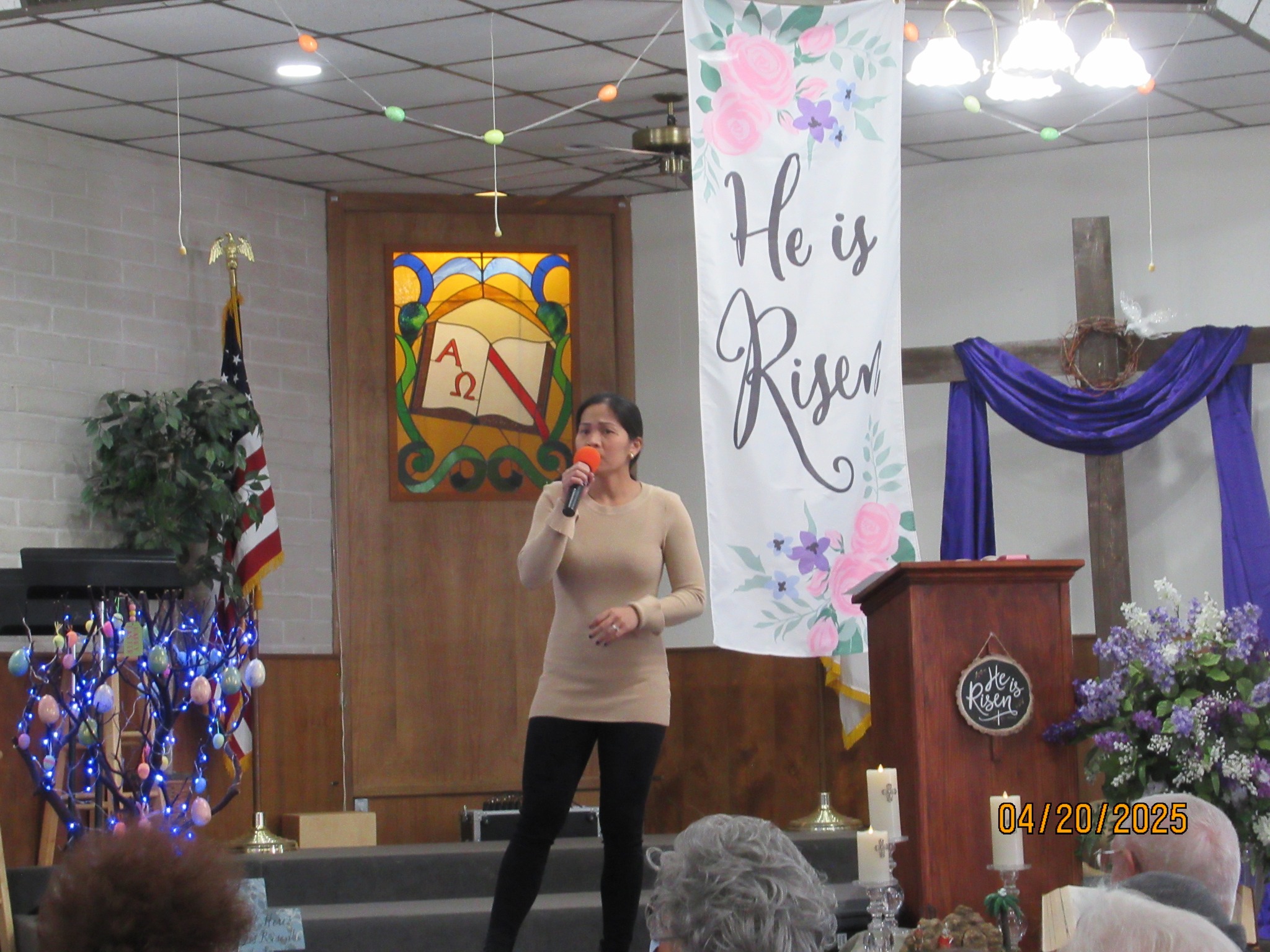
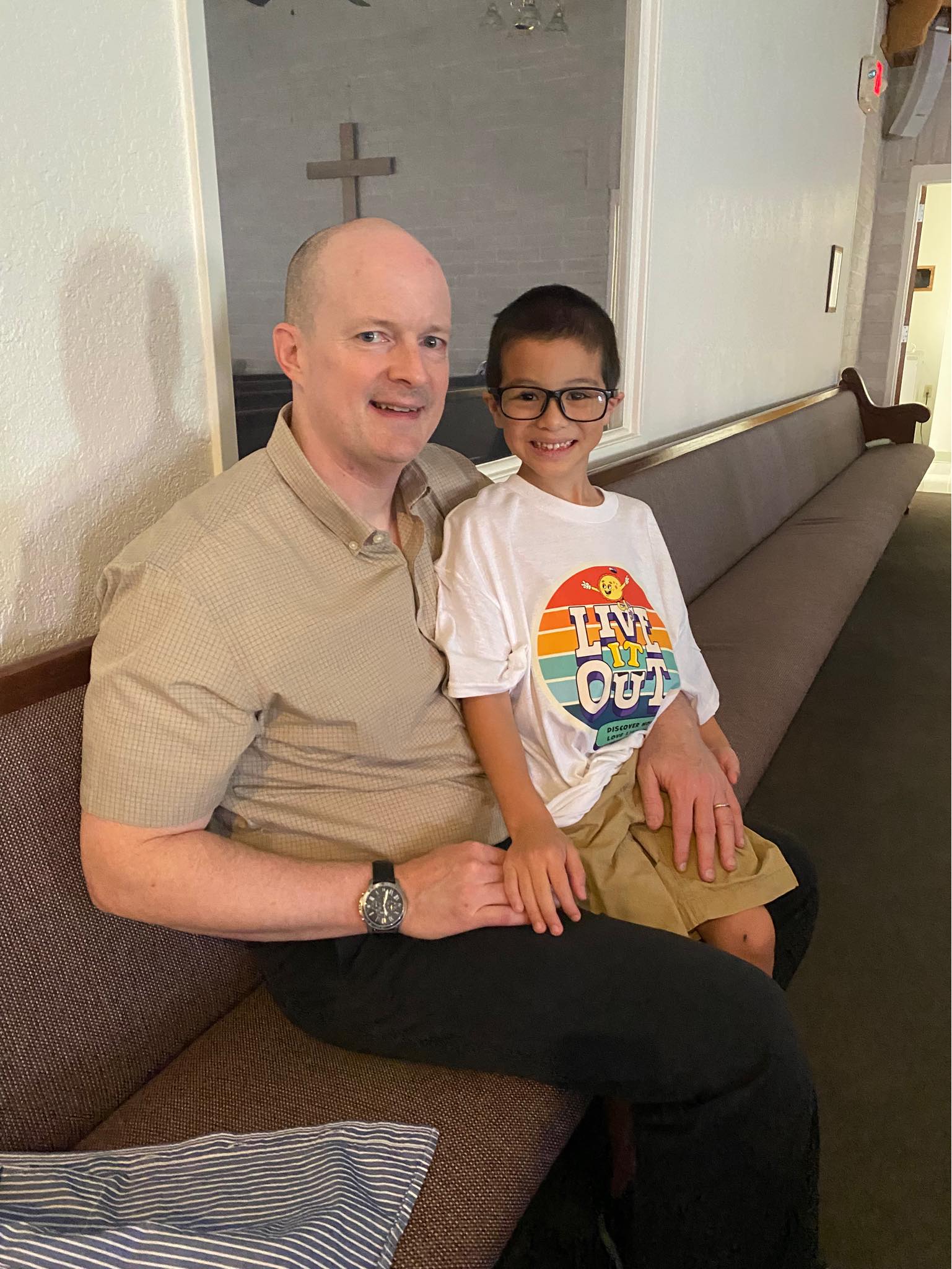
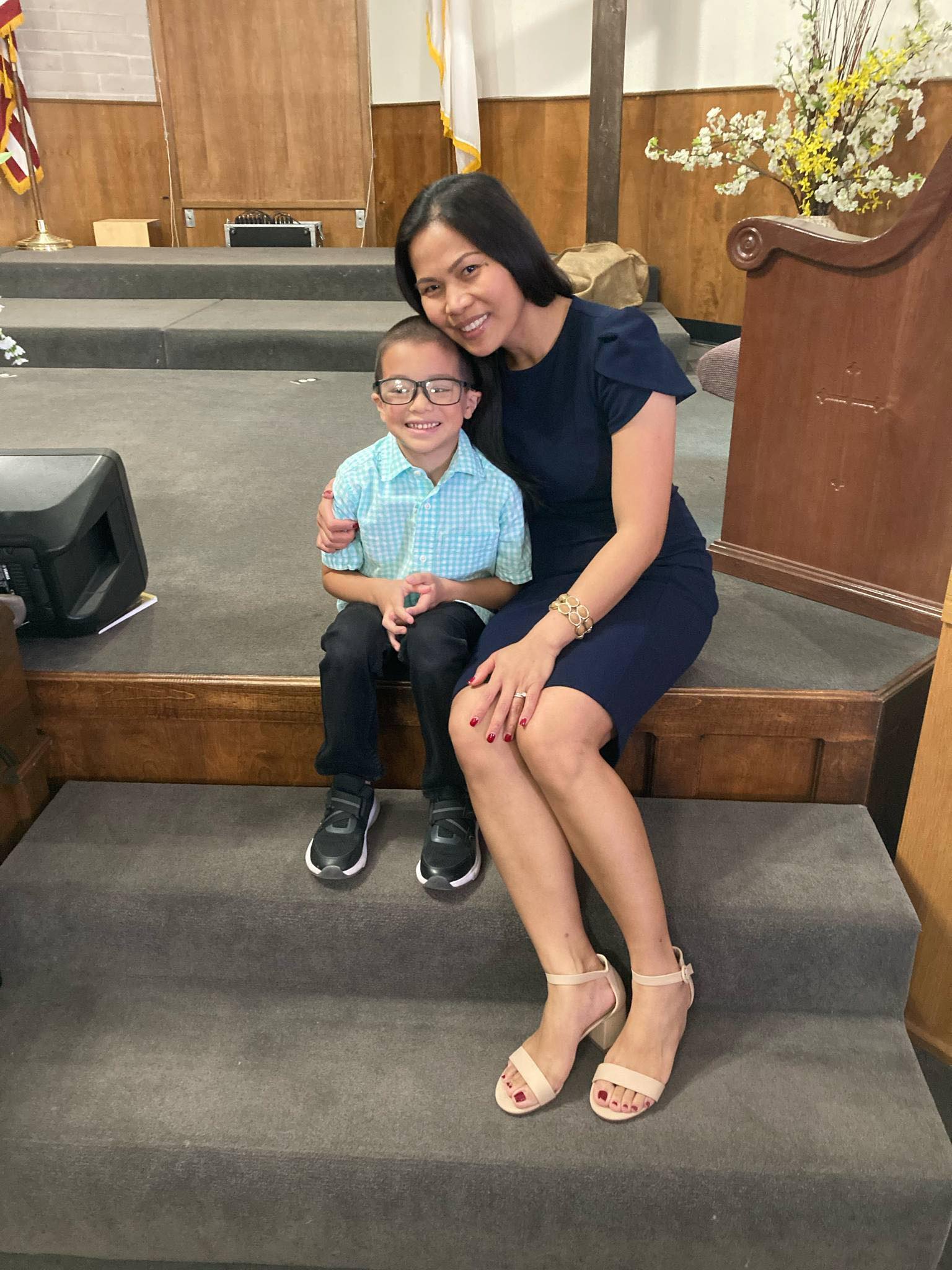
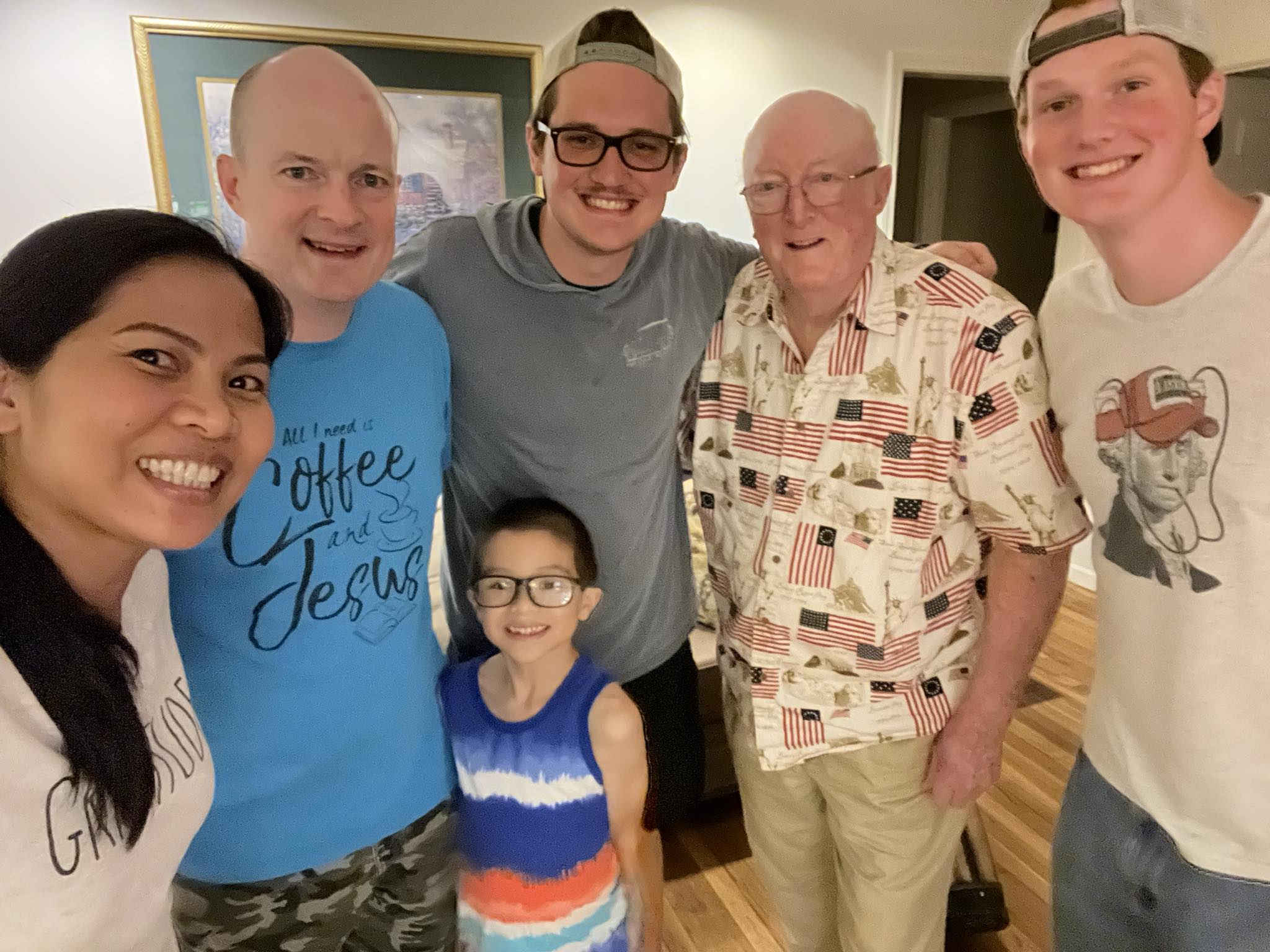
It was another year of watching my beautiful wife lead worship and watching my son enjoy church life.
Speaking of church: we will be celebrating the 45th anniversary of Apollo Heights Baptist Church as soon as we get back to El Paso.
Family
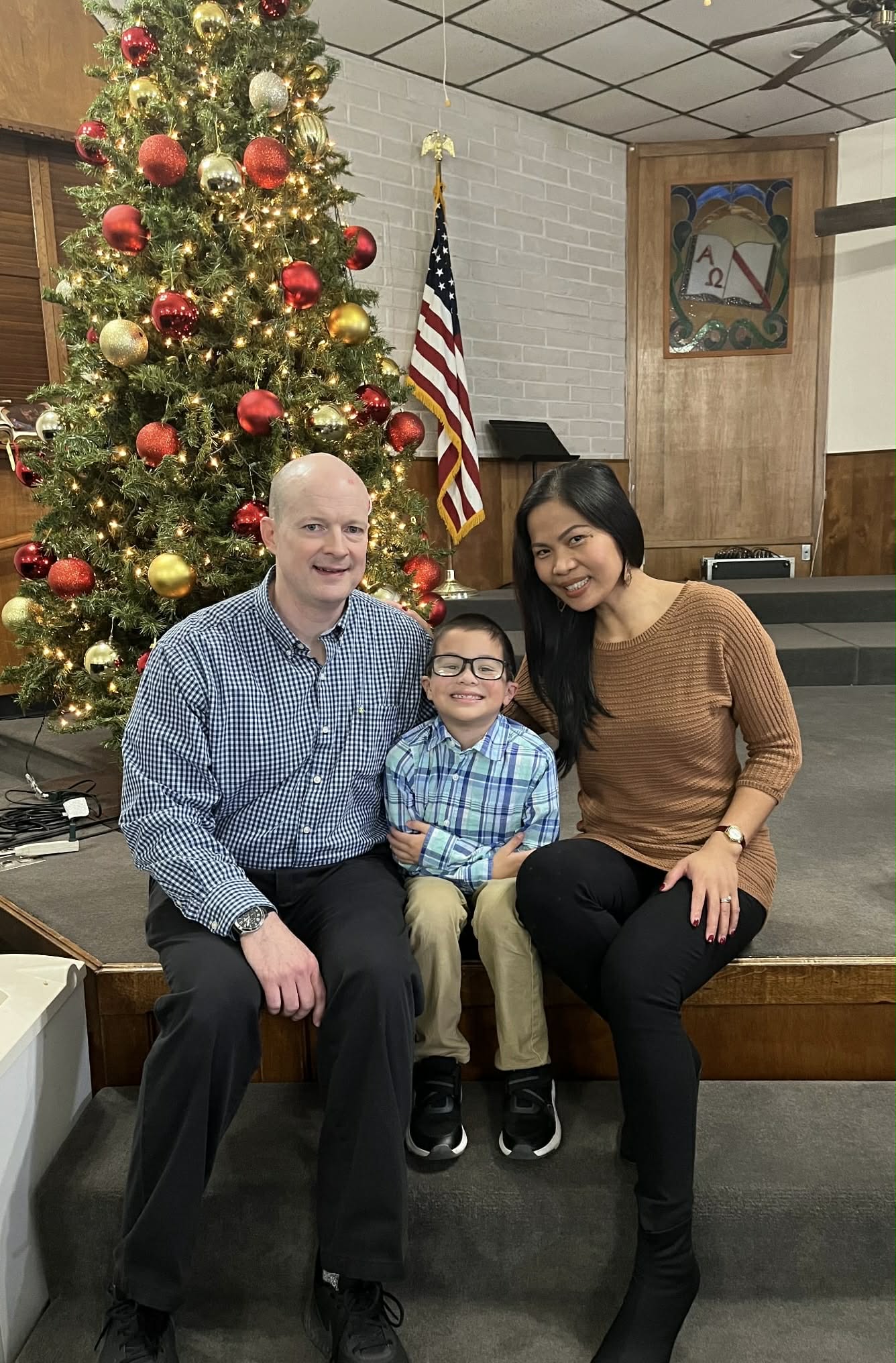
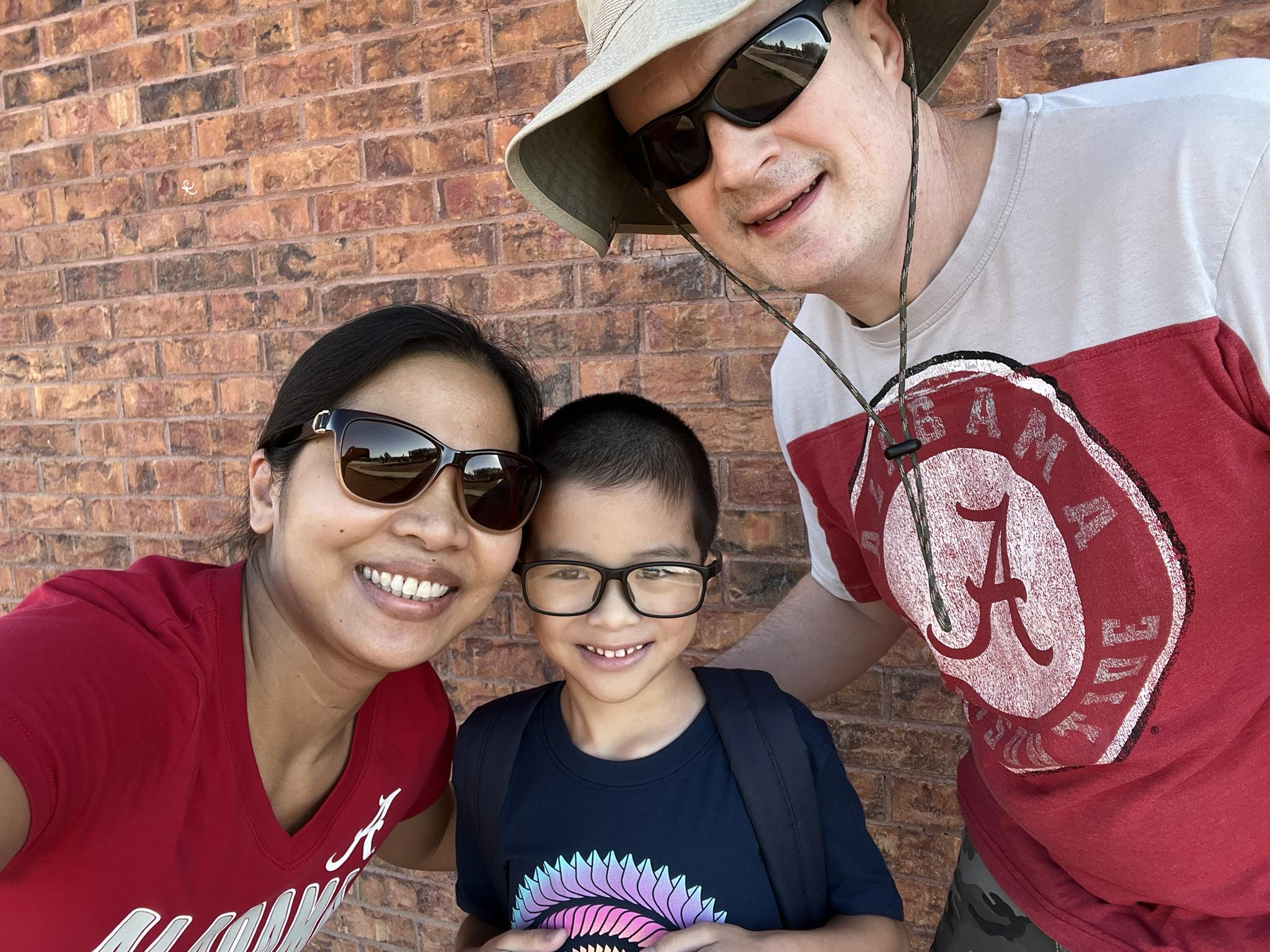
Mare Cris and I celebrated 13 years of marriage this past March. We are thankful for His continued goodness, strength, and grace. I think of this proverb as time keeps flying by:
Fathers can give their sons an inheritance of houses and wealth, but only the Lord can give an understanding wife. -Proverbs 19:14
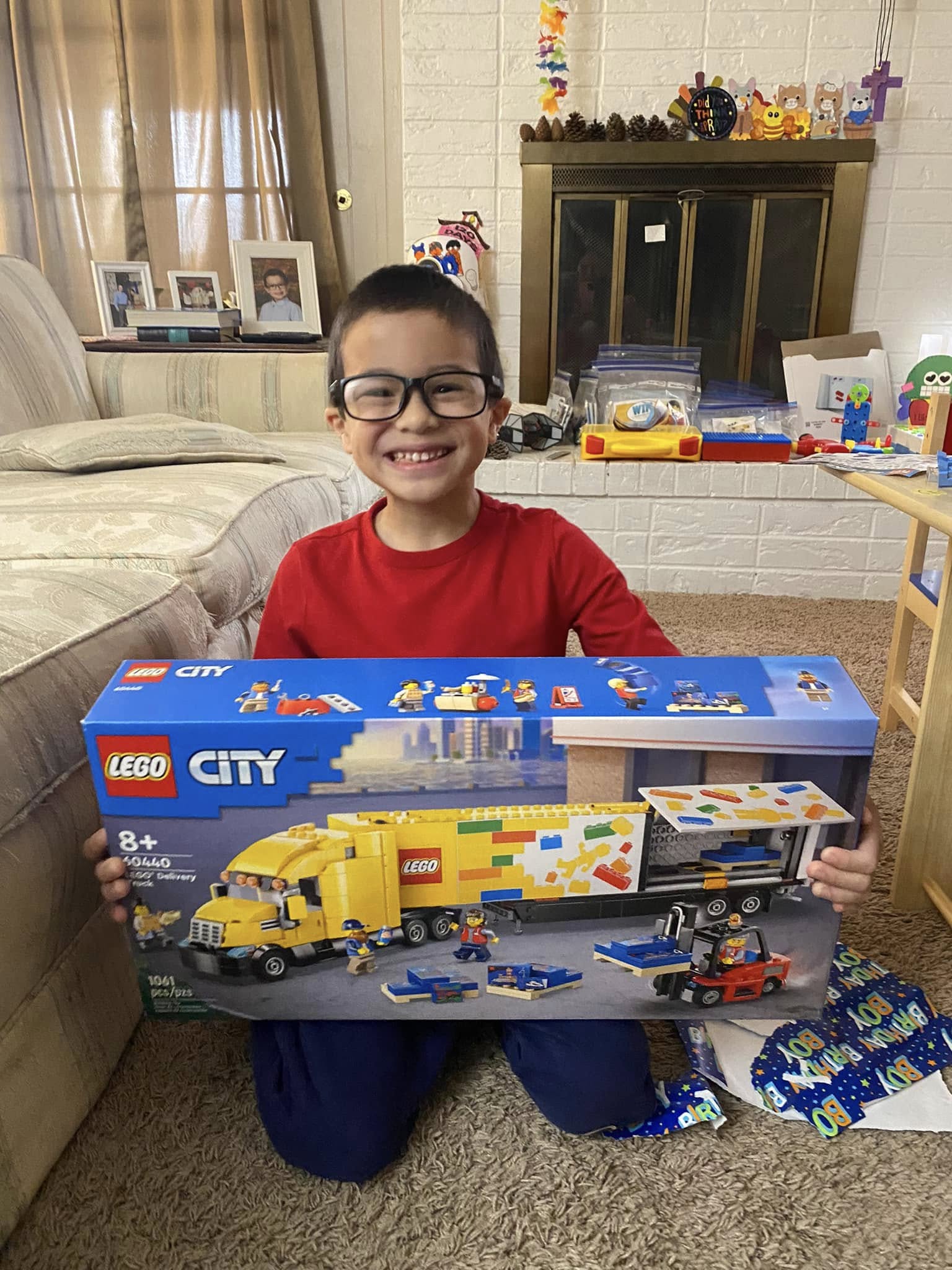
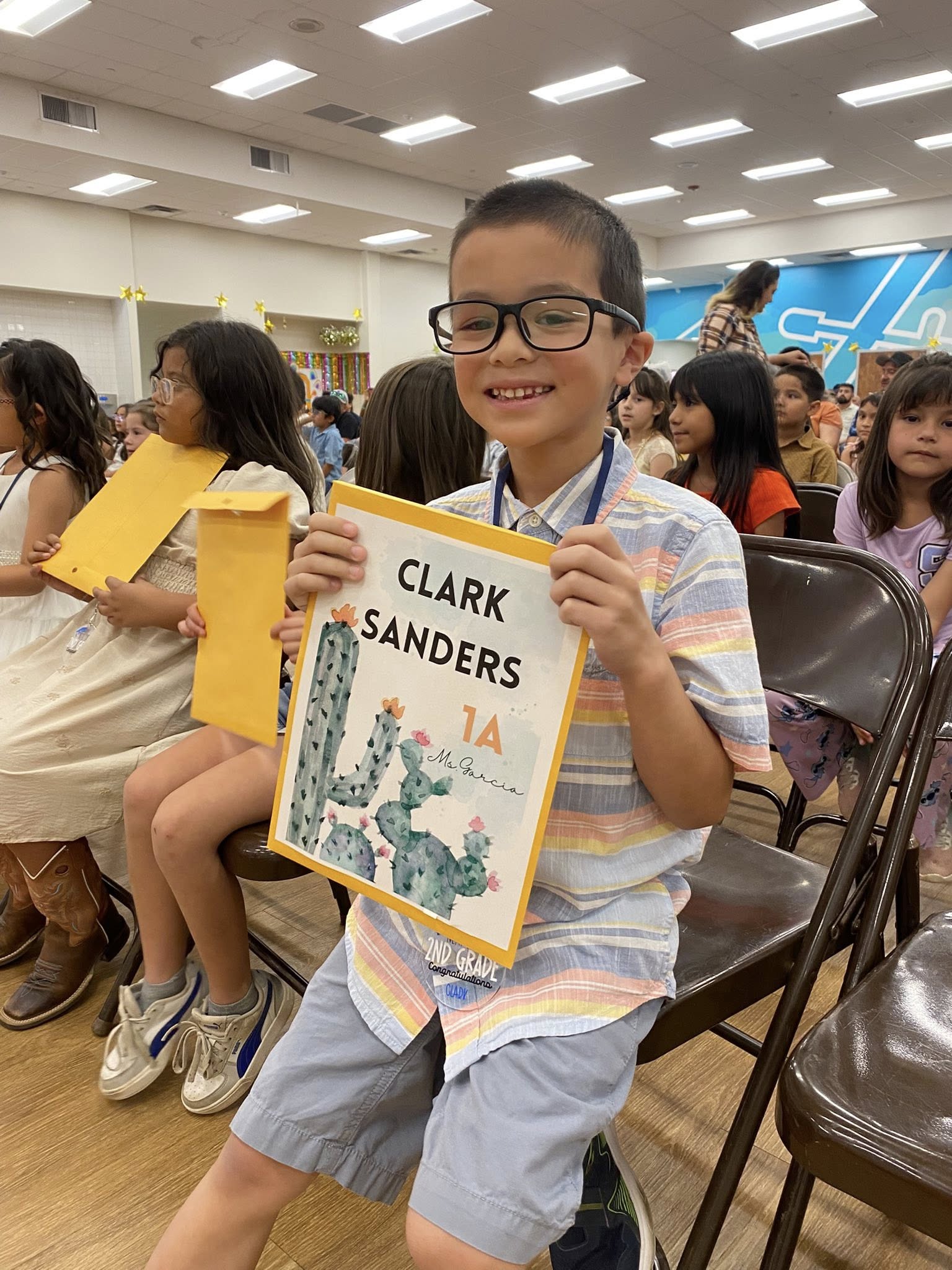
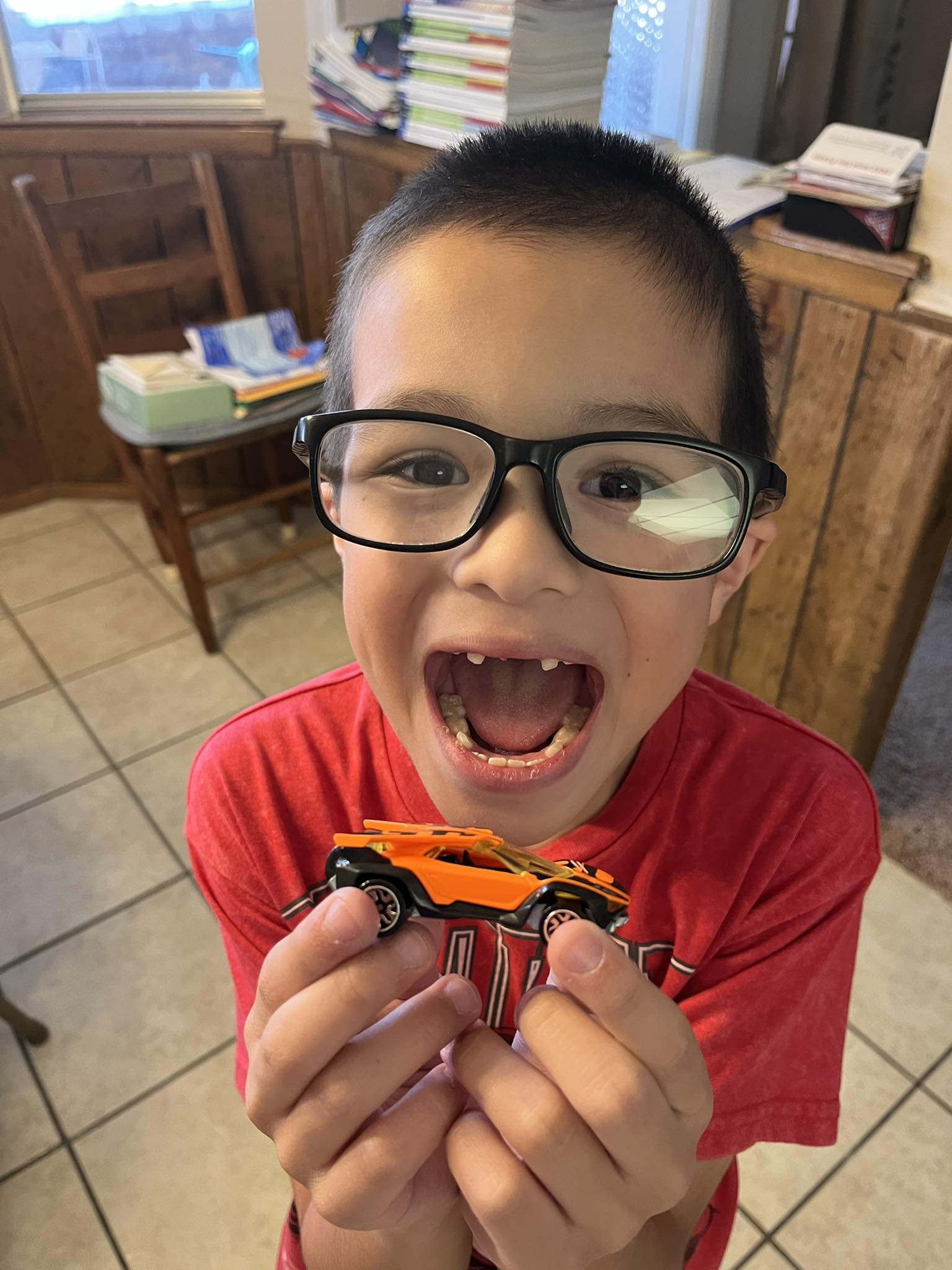
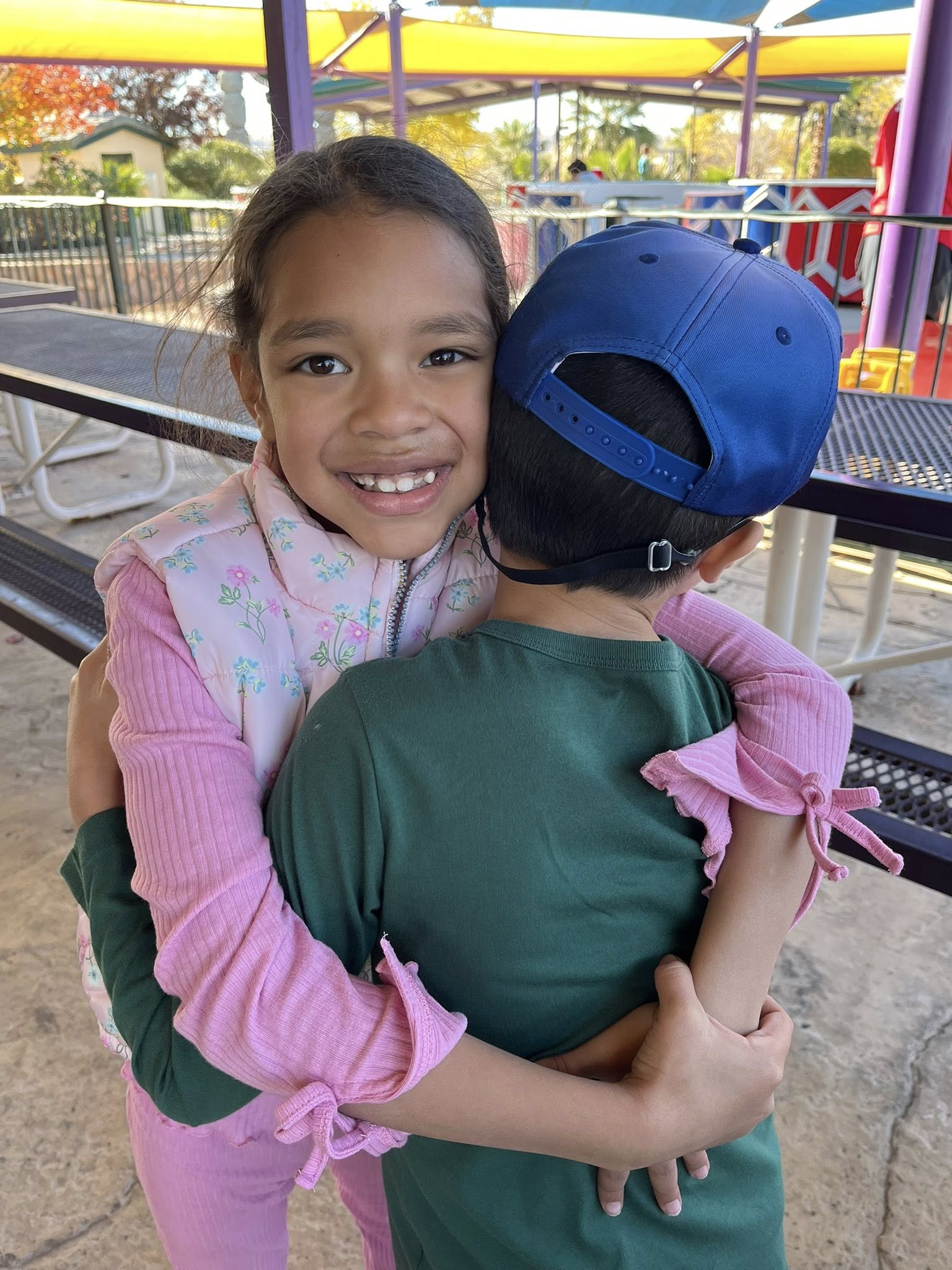
Clark turned 7, completed first grade at his nearby elementary school, and began second grade back in August. He continues to excel academically—he brought an all-A’s honor roll and perfect attendance certificate home a few days ago (seems he inherited his mom’s intellect). He has made new friends and lost a few teeth along the way.
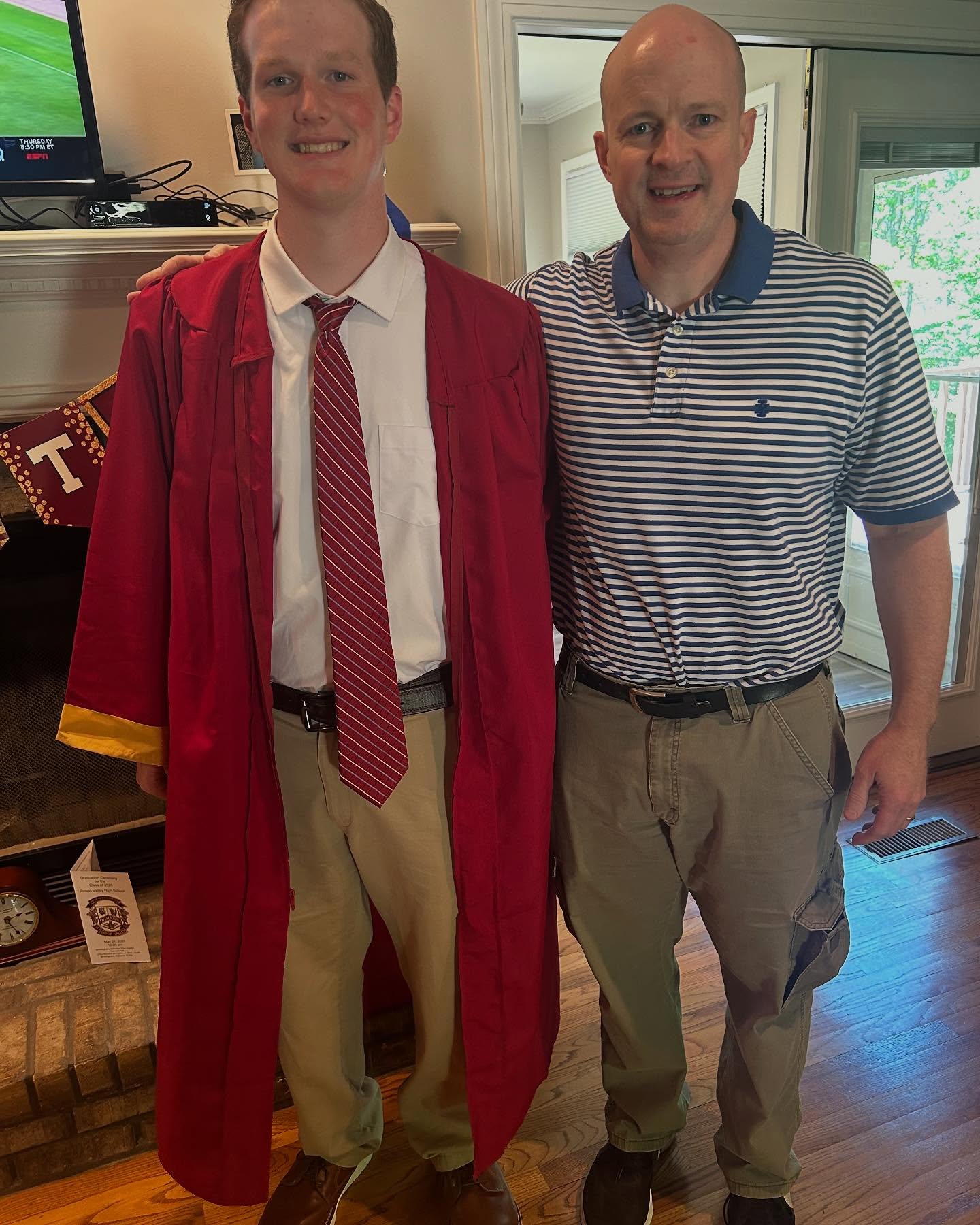
May was a bitter-sweet month. My dad’s twin brother, my Uncle Neil, passed away. I flew in for the funeral and was able to celebrate my nephew’s high school graduation while I was in town. I was reminded that time flies and life is a mist.
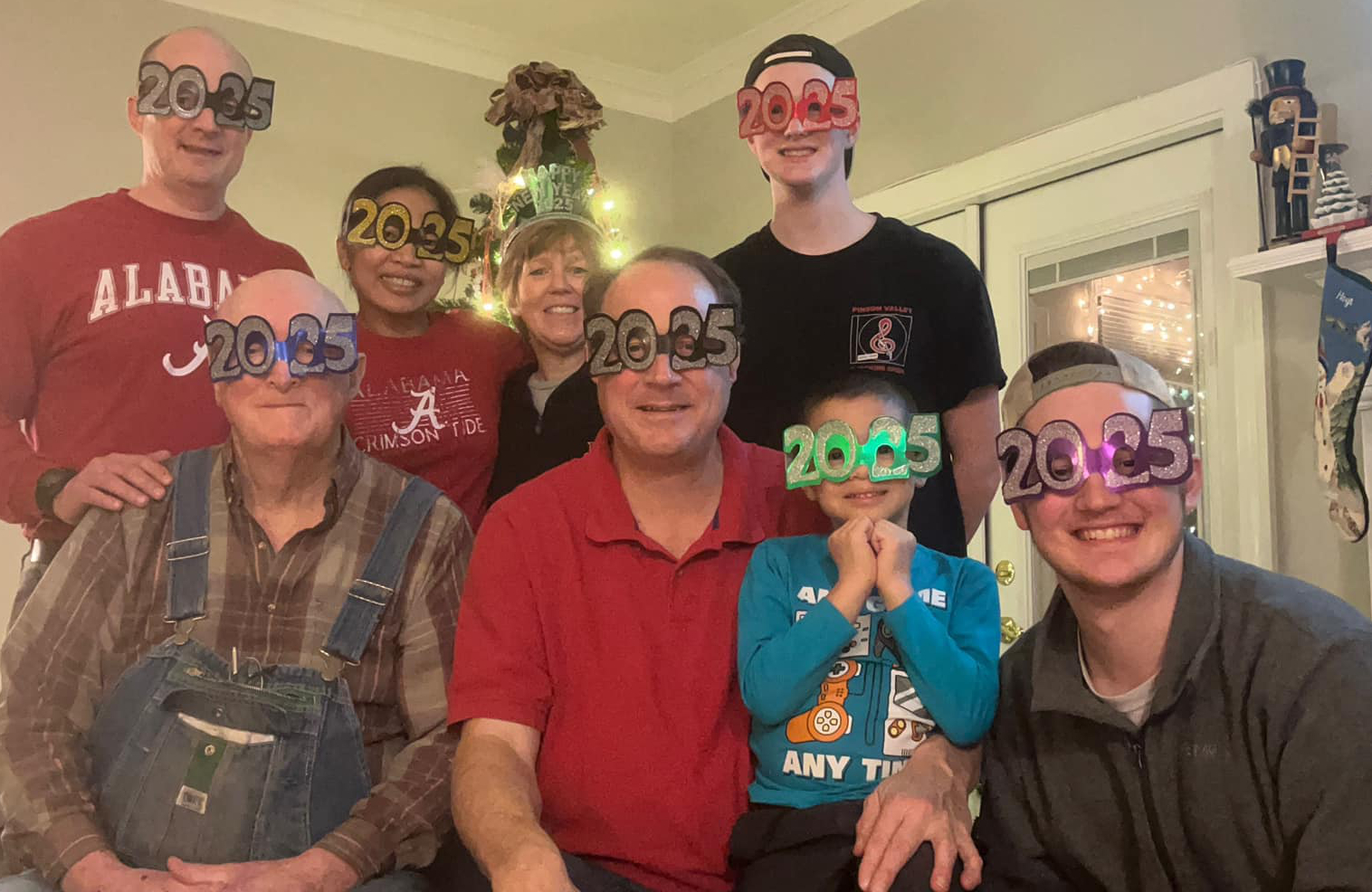
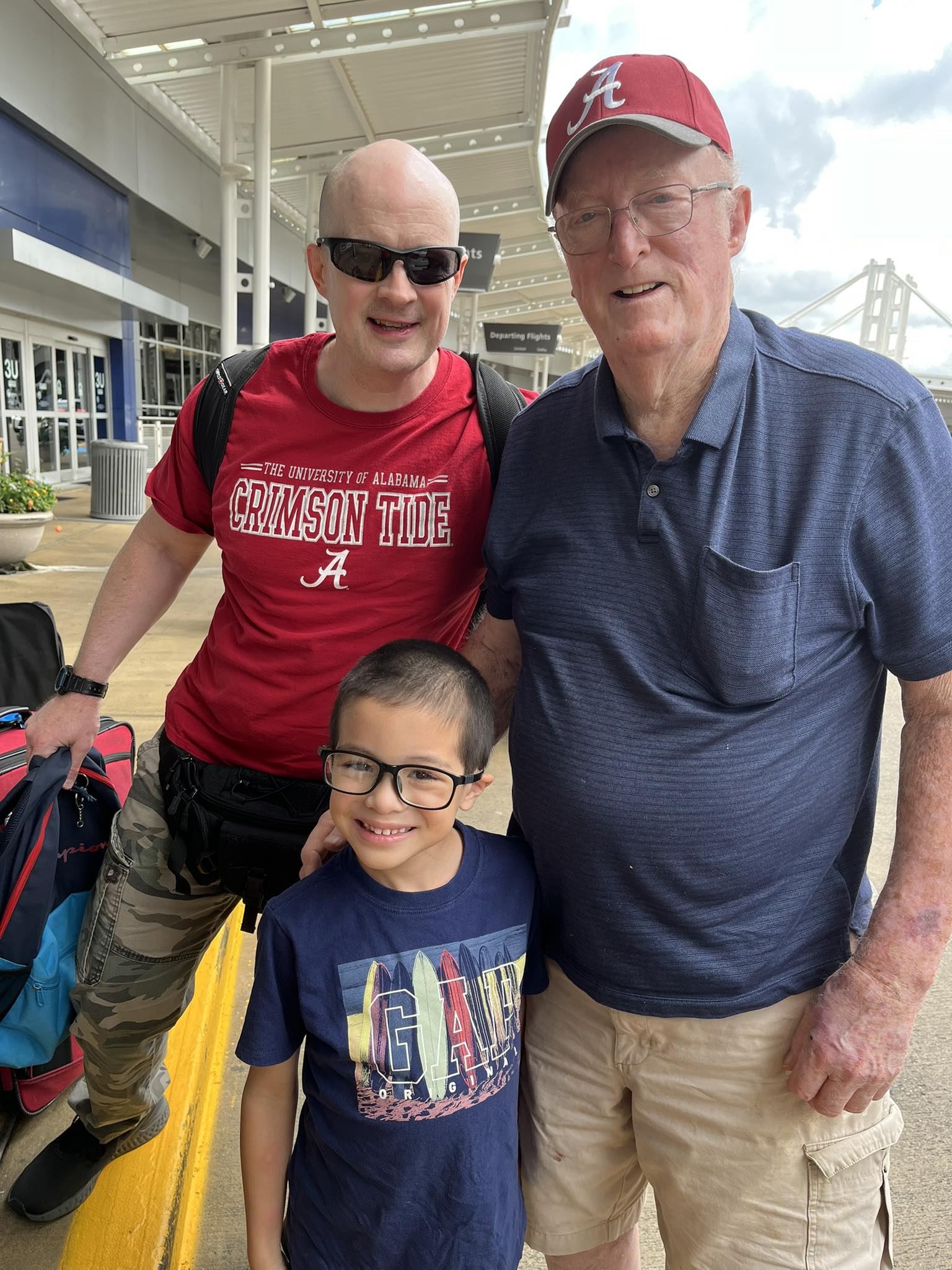
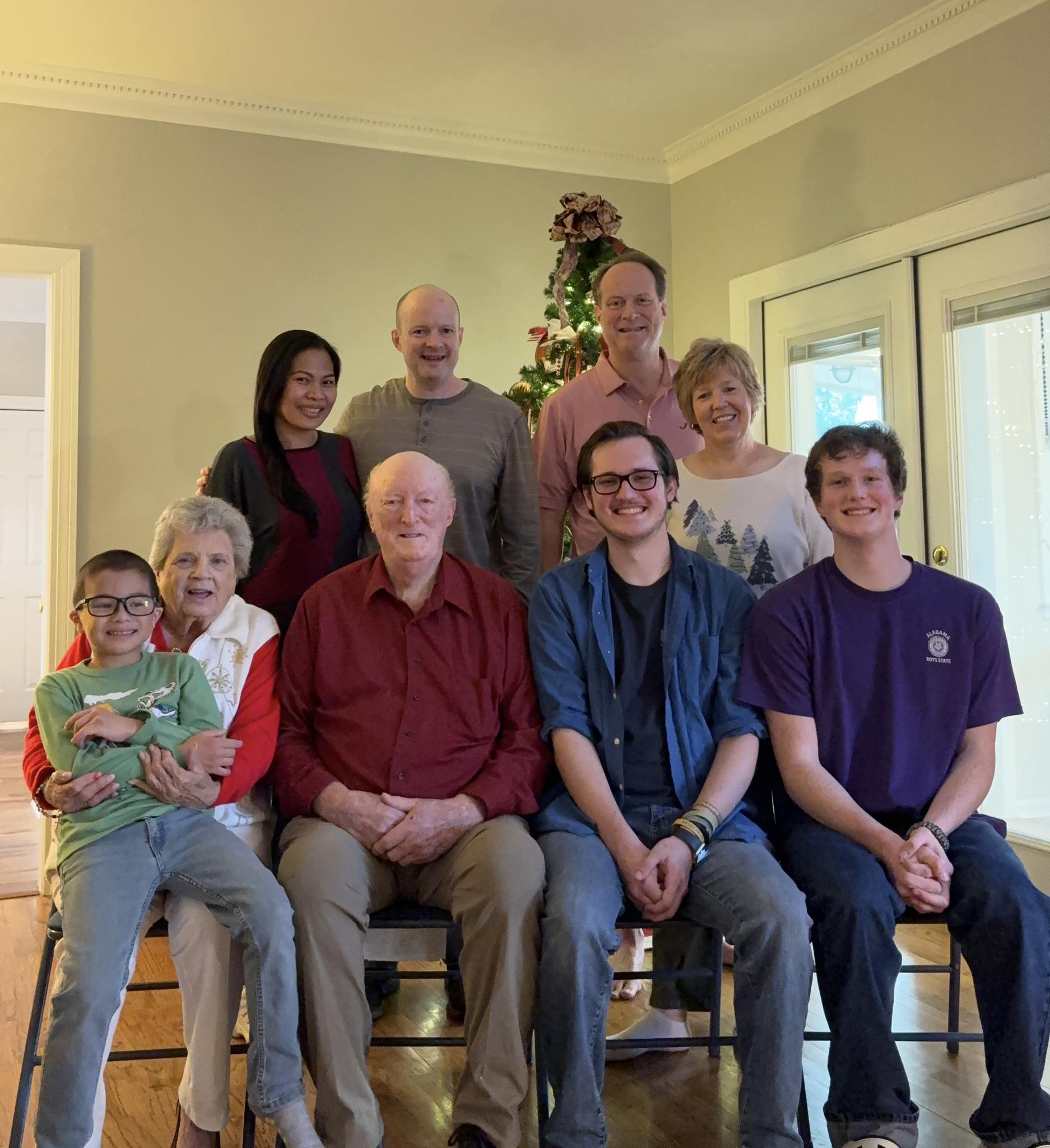
We have continued to fly over to Alabama during the holiday season and summer. We always look forward to time with extended family and friends.
Note: You can see more of our photos on my Instagram account. We post most of our family pictures there (Mare Cris does most of the posting, but they are cross-posted on my account).
Books I Read
The Bible. This was not my first time to read the whole Bible, but this year I used an app on my phone called ReadingPlan. I used a five-day plan, which has two weekly off days built in. I found this approach made it easier to stay consistent.
Bruno, a missionary-turned-therapist, argues that men heading into and beyond midlife should pursue the status of “sage”: a man who has found peace with God, himself, and his life. This allows him to mentor other men into wholeness and spiritual maturity:
At the end of your life, your greatest contribution to the kingdom of God will not be the wealth you have accumulated, the successes you have achieved, or the power you have acquired. Your greatest legacy will be found in the recovery of the glorious masterpiece God has written into your life and putting it on display for all to know the Master. That, my friend, is the true measure of a man. Pp. 24-28
Bruno strikes me as a fascinating man. I am a little leery of the abundance of the psychological jargon he uses and some of the authors he quotes. Having said that, I found this book to be full of insights and useful content for personal reflection. I also found his writing style to be both enjoyable and compelling.
This is the first time I’ve read one of Jared Wilson’s books, though I’ve followed him on social media for some time. I really enjoy Wilson’s sense of humor, much of which is expressed through self-deprecation. But what I enjoyed even more was this grace-filled approach to discipleship.
I want to write a discipleship book for normal people, for people like me who know that discipleship means following Jesus—and we know that following Jesus is totally worth it, because Jesus is the end-all, be-all—but we often find that following Jesus takes us to some pretty difficult places. -page 14
This book resonated with me as one who has struggled with self-doubts, failures, etc. Wilson is transparent about similar experiences in his own life, which makes him a very relatable author.
Years ago, I read Vaters book entitled, The Grasshopper Myth: Big Churches, Small Churches and the Small Thinking that Divide. I found it very encouraging as a small church pastor.
Vaters has consistently challenged the notion that large congregations are superior to smaller ones. He is not against mega-churches, but he does argue that the church growth movement has created an obsession with numbers that is neither healthy nor biblical:
When everything has to be measured, we end up comparing ourselves to others. It’s inevitable. Measurement is comparison. And when we compare the size of our church or ministry to the size of others, we’ll find that either we’re bigger than they are and be filled with pride, or smaller and be filled with shame. -p. 108
De-sizing the Church challenges the reader to not see numbers as the end-all, be-all and to consider other ways of assessing a church’s health and effectiveness.
I found this book in my dad’s basement last year. I like Packer’s writing, so I brought it home as my daily devotional for 2025. This book seems to be a collection of his writings from various publications. I was a joy to read.
Books I Wrote
I had the opportunity to write/publish two books when I was a missionary in the Philippines. The second, Learning the Hard Way, was published in 2010. All this to say it’s been fifteen years since I have attempted to publish a book. I never would have imagined publishing two in one year, but that’s what happened in 2025.